

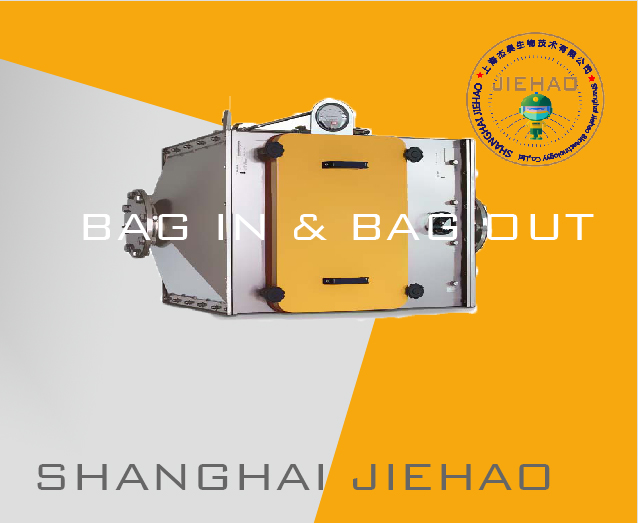
袋进袋出BIBO的制作关键点在哪里?
袋进袋出(Bag-In/Bag-Out,简称 BIBO)是一种用于高效空气过滤器的更换技术,它允许在不接触污染物的情况下安全地更换过滤器。这种技术特别适用于需要高安全性和防止污染扩散的环境,如生物安全实验室、医院隔离病房、制药和化工行业等。
工作原理:
1. 袋进:新的高效空气过滤器在安装前被放置在一个特殊的保护袋内。这个袋子通常由PVC或其他耐用材料制成,能够密封并防止污染物逸出。
2. 安装:将装有新过滤器的保护袋通过BIBO接口送入过滤器箱体内部,并将新过滤器安装到位。
3. 袋出:当需要更换过滤器时,使用保护袋将使用过的过滤器包裹起来,然后从箱体中取出。这样可以确保在整个更换过程中,污染物被完全隔离,不会接触到外部环境。
主要特点:
- 安全性:BIBO系统提供了一个安全的更换方法,防止了污染物的扩散和操作人员的暴露。
- 气密性:系统设计保证了与外界环境的完全隔离,确保了高气密性。
- 维护简便:通过使用保护袋,简化了过滤器的更换过程,减少了维护时间和成本。
- 适用性广:适用于多种需要高安全性的场合,如生物安全实验室、医疗设施、制药和化工行业等。
应用场景:
- 生物安全实验室:用于控制高致病性病原体的扩散。
- 医院隔离病房:用于防止传染性病原体通过空气传播。
- 制药行业:用于确保生产环境的清洁,防止交叉污染。
- 化工行业:用于处理和排放有害化学物质,保护环境和人员安全。
技术难点
1. 高气密性要求:BIBO过滤器需要在安装、更换和检测过程中保证与外界空气完全隔离,这要求过滤器箱体和所有连接处具有极高的气密性 。
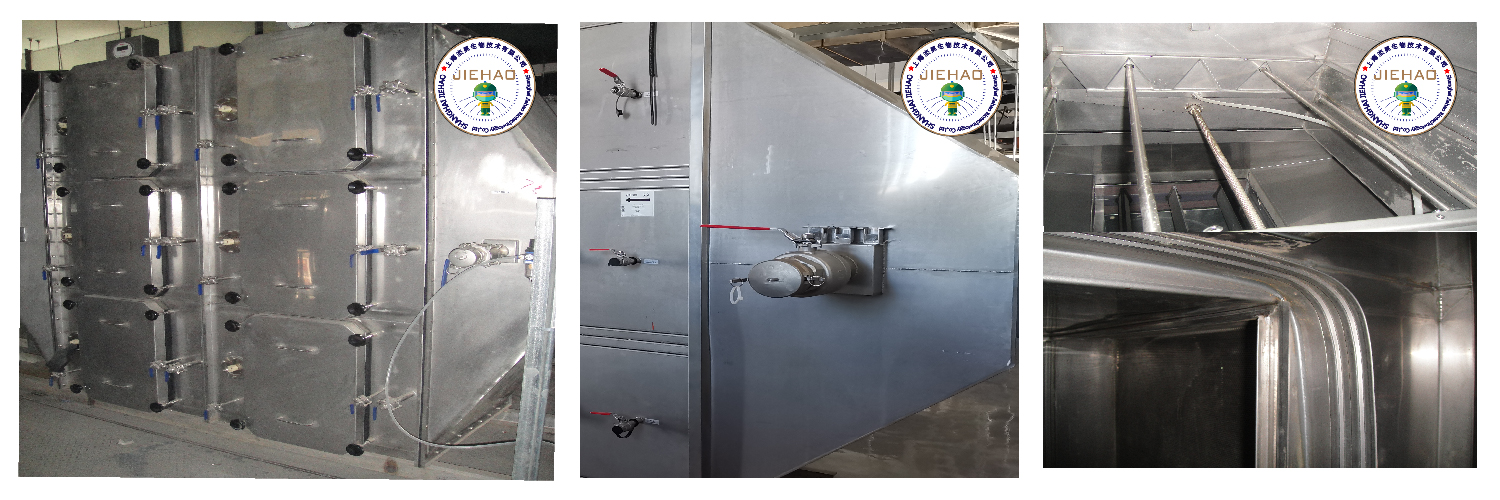
2. 材料选择:箱体通常采用不锈钢整体焊接,以保证牢固性和气密性,同时需要能够抵抗特定环境下的腐蚀或辐射 。
3. 密封技术:过滤单元与箱体框架之间的密封是关键,北美通常采用液体(凝胶)密封,而欧洲则使用充气气囊,并进行密闭性检测 。
4. 原位消毒和在线检漏功能:由于高效过滤器存在泄漏和表面微生物存活、繁殖的风险,BIBO过滤器需要具备原位消毒和在线检漏的功能,以满足生物安全实验室等高级别安全要求 。
5. 操作安全性:BIBO过滤器的设计要确保操作人员在更换过滤器时的安全,这通常涉及到使用特殊的安全袋和手套,以及确保操作简便快捷 。
6. 维护和检测的便利性:BIBO过滤器需要配备自动或手动扫描检测单元,以便于随时检测过滤器的效率和安全性,同时保证检测过程的密封性和安全性 。
7. 国际标准的遵循:BIBO过滤器的生产需要依据各国的核工业标准,如美国的ASME N509、ASME N510,或德国的DIN 25496等,这些标准对设备的性能和安全性有严格的要求 。
8. 箱体和气密隔离阀的连接:箱体与气密隔离阀之间采用法兰连接,并使用特殊的密封垫圈进行密封,以防止任何潜在的泄漏 。
9. 过滤器单元的组合方式:过滤单元的数量和组合方式决定了BIBO过滤器的风量和尺寸,需要根据实际应用需求合理设计 。
10. 检测方法的创新:BIBO过滤器需要采用可以模拟并取代传统气溶胶检测方法的检测技术,以提高检测效率和安全性 。
这些难点要求制造商具备高水平的工程设计能力、严格的质量控制和对特定应用环境的深入理解。
What are the key points in making bag-in-bag-out BIBO?
Working principle:
1. Bag entry: The new HEPA filter is placed in a special protective bag before installation. This bag is usually made of PVC or other durable material that seals and prevents contaminants from escaping.
2. Installation: Send the protective bag containing the new filter into the filter box through the BIBO interface, and install the new filter in place.
3. Bag out: When the filter needs to be replaced, use a protective bag to wrap the used filter and then remove it from the box. This ensures that contaminants are completely isolated during the entire replacement process and do not come into contact with the external environment.
Main feature:
- Safety: The BIBO system provides a safe replacement method, preventing the spread of contaminants and operator exposure. - Air tightness: The system design ensures complete isolation from the external environment, ensuring high air tightness.
- Easy maintenance: By using a protective bag, the filter replacement process is simplified, reducing maintenance time and costs.
- Wide applicability: Suitable for a variety of occasions requiring high safety, such as biosafety laboratories, medical facilities, pharmaceutical and chemical industries, etc.
Application scenarios:
- Biosafety laboratories: used to control the spread of highly pathogenic pathogens.
- Hospital isolation wards: used to prevent the spread of infectious pathogens through the air.
- Pharmaceutical industry: used to ensure the cleanliness of the production environment and prevent cross-contamination.
- Chemical industry: used to handle and discharge harmful chemicals to protect the environment and personnel safety.
Technical Difficulties
1. High air tightness requirements: BIBO filters need to be completely isolated from the outside air during installation, replacement and testing, which requires extremely high air tightness in the filter box and all connections.
2. Material selection: The box is usually integrally welded with stainless steel to ensure firmness and airtightness. It also needs to be able to resist corrosion or radiation in specific environments.
3. Sealing technology: The sealing between the filter unit and the box frame is the key. North America usually uses liquid (gel) sealing, while Europe uses inflatable air bags and performs tightness testing.
4. In-situ disinfection and online leak detection functions: Since high-efficiency filters have risks of leakage and surface microbial survival and reproduction, BIBO filters need to have in-situ disinfection and online leak detection functions to meet the needs of high-level biosafety laboratories and other Security requirements.
5. Operational safety: BIBO filters are designed to ensure operator safety when changing filters, which usually involves using special safety bags and gloves, as well as ensuring easy and quick operation.
6. Convenience of maintenance and testing: BIBO filters need to be equipped with an automatic or manual scanning detection unit to test the efficiency and safety of the filter at any time, while ensuring the sealing and safety of the testing process.
7. Compliance with international standards: The production of BIBO filters needs to be based on the nuclear industry standards of various countries, such as ASME N509, ASME N510 in the United States, or DIN 25496 in Germany. These standards have strict requirements on the performance and safety of the equipment.
8. Connection between the box and the air-tight isolation valve: The box and the air-tight isolation valve are connected by flange and sealed with a special sealing gasket to prevent any potential leakage.
9. Combination method of filter units: The number and combination method of filter units determine the air volume and size of the BIBO filter, which needs to be reasonably designed according to actual application requirements.
10. Innovation in detection methods: BIBO filters need to adopt detection technology that can simulate and replace traditional aerosol detection methods to improve detection efficiency and safety.
These difficulties require manufacturers to have a high level of engineering design capabilities, strict quality control and an in-depth understanding of specific application environments.


TAG: BIBO BAG IN BAG OUT 袋进袋出